Blog
Sustainable Infrastructure — A Must In The Fight Against Climate Change
Alieza Fernandes
4th June, 2021

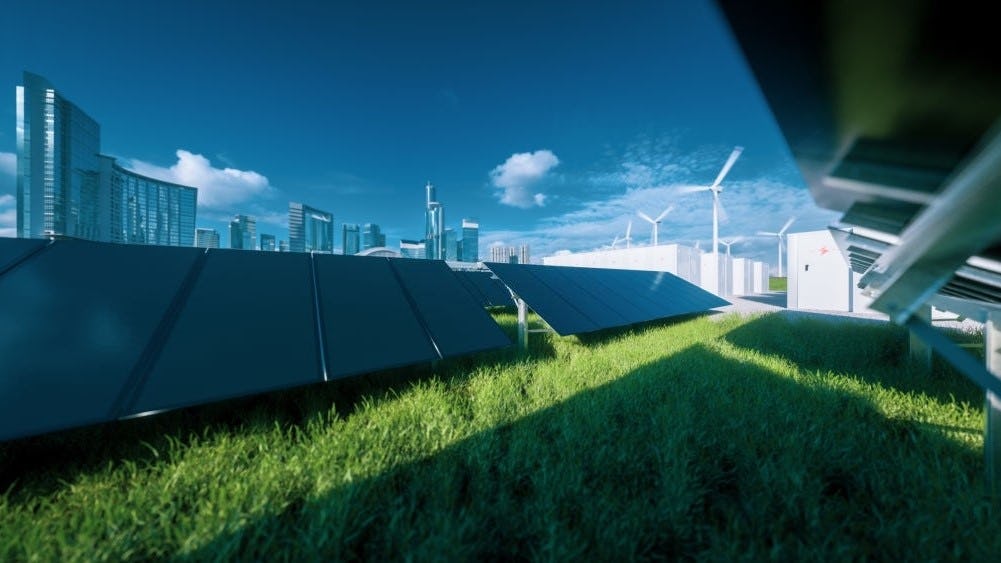
Countering climate change is the need of the hour. The concentration of greenhouse gases in the atmosphere is at a record high and it continues to rise. While emissions saw a slight decline during the pandemic, they are on their way back to pre-pandemic levels. According to a United Nations report, the world is set to see its warmest five years on record, and this trend is likely to continue in the future. There’s a lot of work that remains to be done to reach our goal of keeping the global temperature increase below 2°C or at 1.5°C. We need rapid and impactful changes in tandem with economic or industrial development. This makes sustainable infrastructure crucial.
What is sustainable infrastructure?
Broadly, it includes a variety of initiatives with focus on energy, water, real estate, and land management. Sustainable infrastructure also means development of dedicated green areas, smart technology, and the use of eco-friendly and durable building materials. Moreover, existing infrastructure can also be made sustainable by using specific techniques. Sustainable infrastructure generally involves approaching development from a holistic viewpoint, based on global and domestic environmental goals. For it to become a norm, there needs to a significant change in policy, attitude, and private investment decisions.
Important measures for achieving sustainable infrastructure
Here are a few important steps that companies can take to ensure their commitment to sustainable infrastructure:
- Use of appropriate resources and technology: An adherence to the concept of ‘design with nature’ is required. It involves employing indigenous technologies as well as local resources and labour to create a locally adaptable, eco-friendly, resource-efficient, and culturally suitable environment.
- Recycle: The lower the use of resources, the bigger the impact it has on a company’s carbon footprint. And the key to minimising resource usage is following the 3-R approach – reduce, reuse, and recycle. Not only does this reduce the pressure on our resources, but it also decreases waste generation and pollution.
- Switching to renewable energy sources: The use of non-renewable energy sources like coal and natural gas cannot facilitate a sustainable infrastructure. A large-scale switch to renewable sources like solar, wind, and geothermal energy can have a huge impact on the environment. Keeping this in mind, Kabira Mobility has installed enough solar infrastructure to power all its facilities. We even direct our surplus power to local governments.
- Focus on quality of life: Infrastructure should always be focused on sharing benefits between the rich and the needy. It is important that tribal and ethnic groups, and their cultural heritage, be respected and conserved, to ensure good quality of life for them. This also leads to strong community participation, prevents the exploitation of natural resources, and helps preserve ecosystems.
Industrial growth is essential but not at the cost of the environment. In fact, it’s absolutely possible for both to coexist peacefully. With proper planning, integration of interests of diverse stakeholders, and a focus on sustainable building materials and practices, we’ll surely be able to make a positive impact on our planet’s health.